
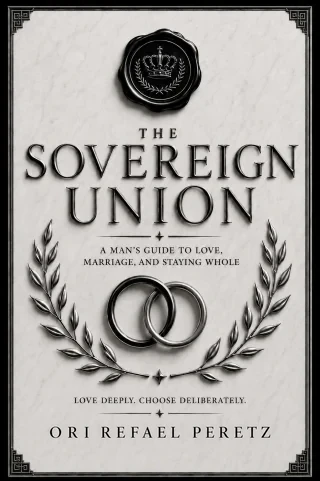
A man can mean every word of a vow and still misunderstand the promise. Love, marriage and mutual protection meet in a candid guide to the choices that shape a shared life.
Editorial introduction based on the existing title material. This is not a manuscript excerpt.
Before making a lifelong commitment, a man needs to understand both the promise and the responsibilities attached to it. The Sovereign Union brings love, legal marriage, independence and mutual protection into the same conversation.
Five composite stories, opposing arguments and a discussion toolkit work through what couples owe each other, how they share risk and how they can prepare for a life together. Serious prenuptial agreements sit alongside questions of trust and commitment, giving readers a basis for decisions they can understand, discuss and stand behind.
What are the people promising?
Covenant names the human commitment: vows, loyalty, care and the life two people intend to build. It asks what the promise means to the people making it, including the moral, relational or spiritual obligations they choose.
Two people may use the same words while imagining different responsibilities. Choice, duty and continuity give the promise more definition: what is chosen, what is owed, and what should remain protected when circumstances change.
What does public recognition change?
Status concerns the relationship’s recognition by institutions. The book considers property, support, inheritance, tax, medical decisions and separation as areas where legal status can have consequences. Which consequences apply depends on the people and the applicable law.
For the argument, the important distinction is between a symbol and a structure that operates outside the couple’s private understanding. Knowing what a public status does is part of making a deliberate decision about it.
How does an intention become protection?
Structure concerns the practical arrangements around the relationship: ownership, agreements, estate planning and other legal tools. Protection deserves attention in its own right. The strength of a feeling does not answer every practical question about the life built around it.
The three distinctions meet here. A promise explains an intention; a status may carry default consequences; a structure asks how the people involved will actually be protected. No single label answers all three questions.
Continue with the book.
The first edition is in preparation. This introduction is not legal advice. A decision about a real relationship requires qualified advice for the circumstances and jurisdiction involved.
View the current title record